
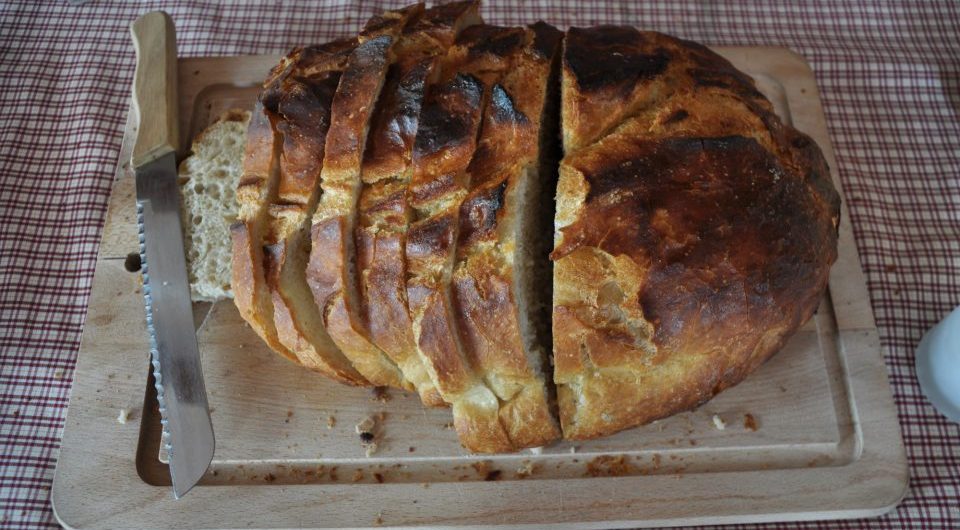
How it all began
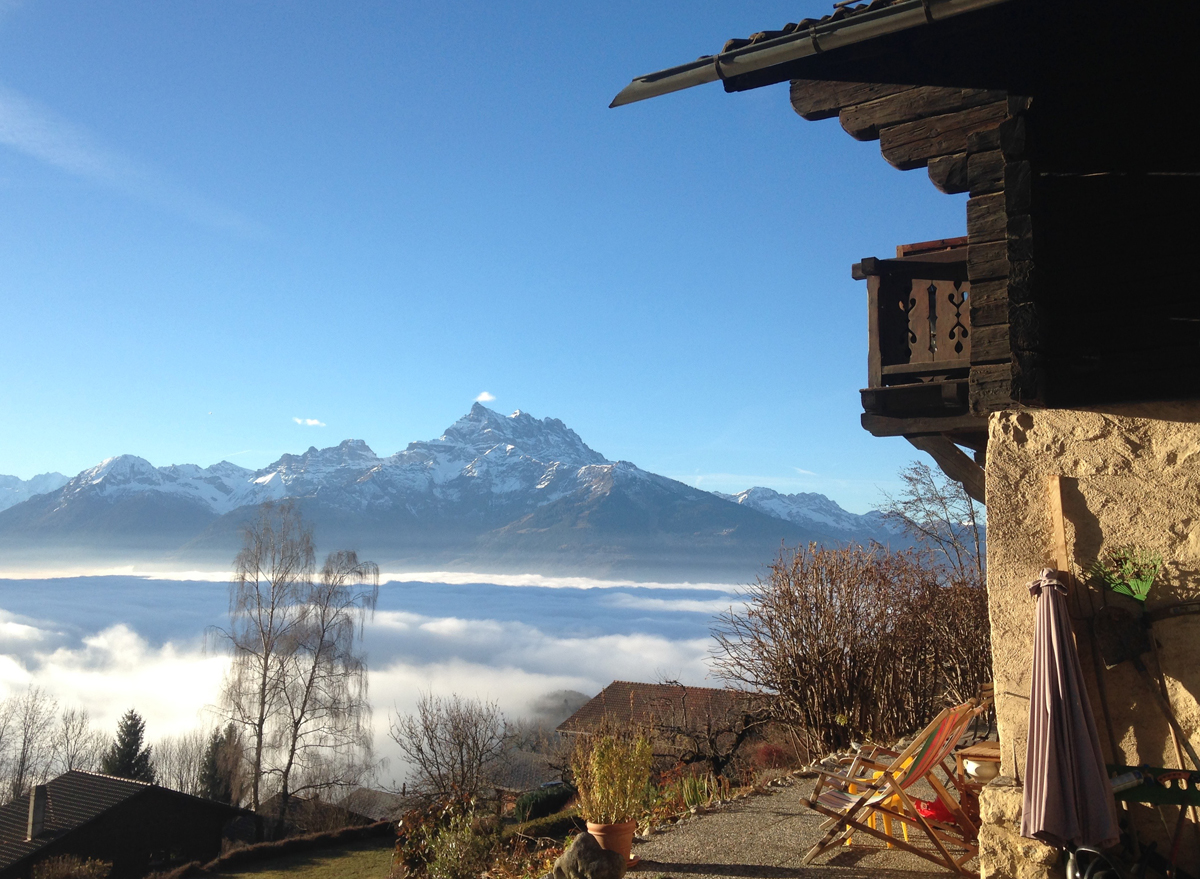
L’Abri began in Switzerland in 1955 when Francis and Edith Schaeffer began welcoming guests to their home in the small Alpine village of Huémoz, Switzerland.
L’Abri, the French word for shelter, grew out of a season of doubt in Francis’ life, when he was uncertain as to whether the Christian message was true and was disillusioned with the church’s lack of love.
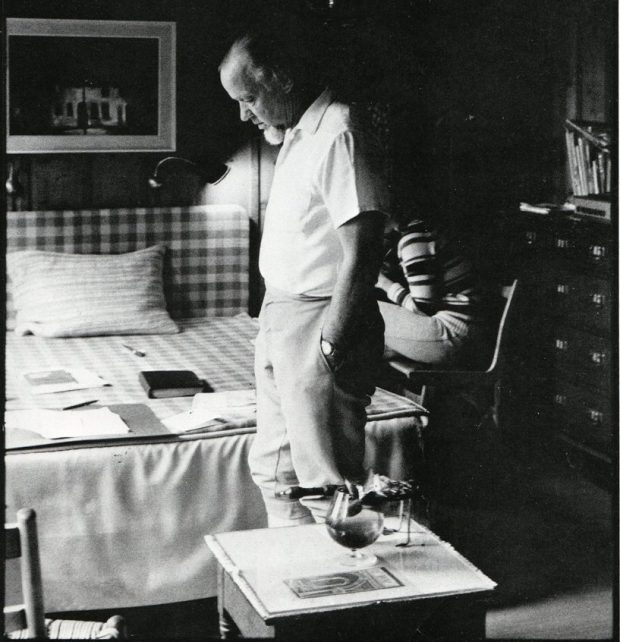
Francis Schaeffer spent time carefully evaluating his presuppositions and concluded that the Christian message was true truth, as he phrased it. As such, he believed faith could be discussed intellectually and in dialogue with philosophy and culture.
He discussed ideas passionately with the guests who came to their home, often late into the night.
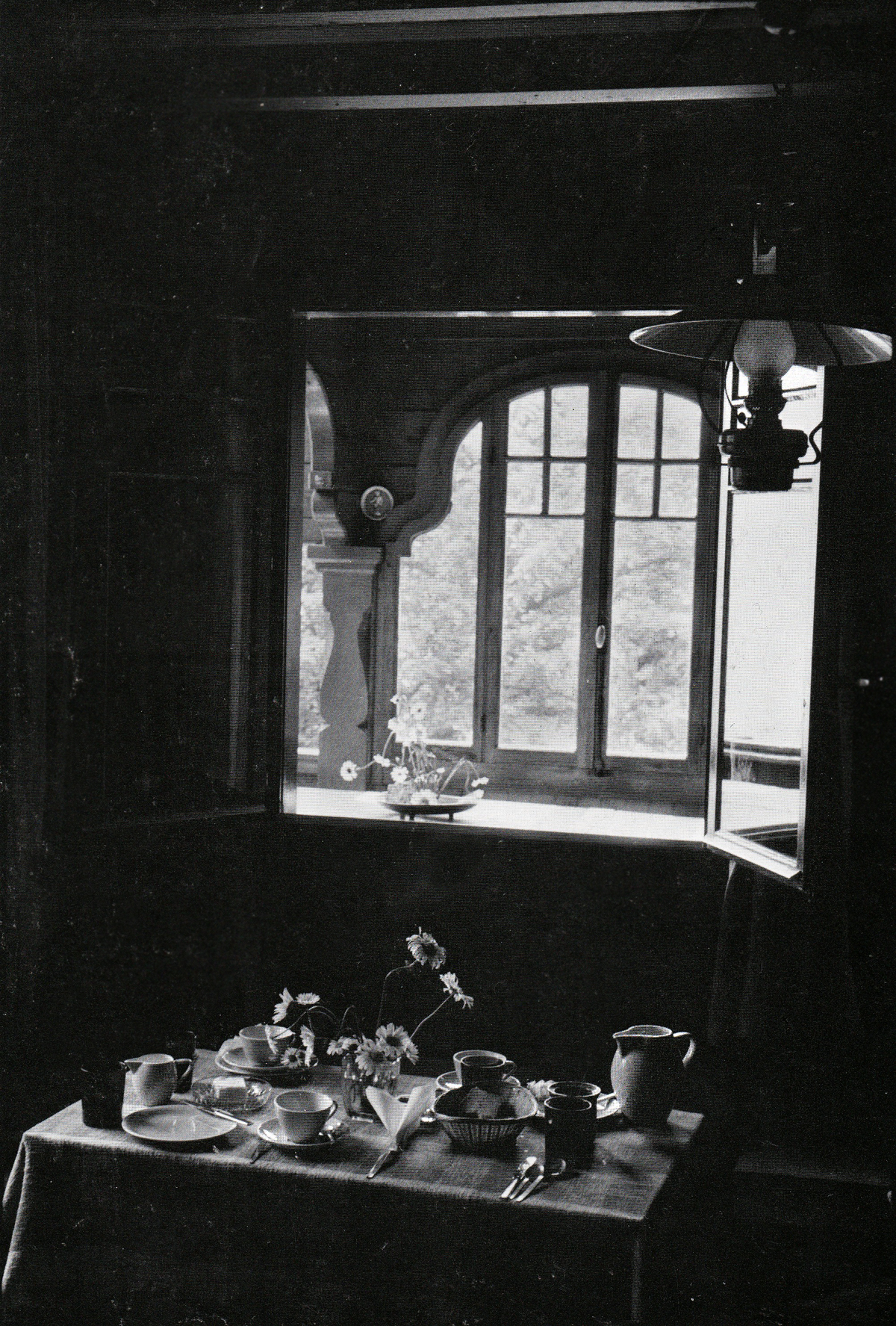
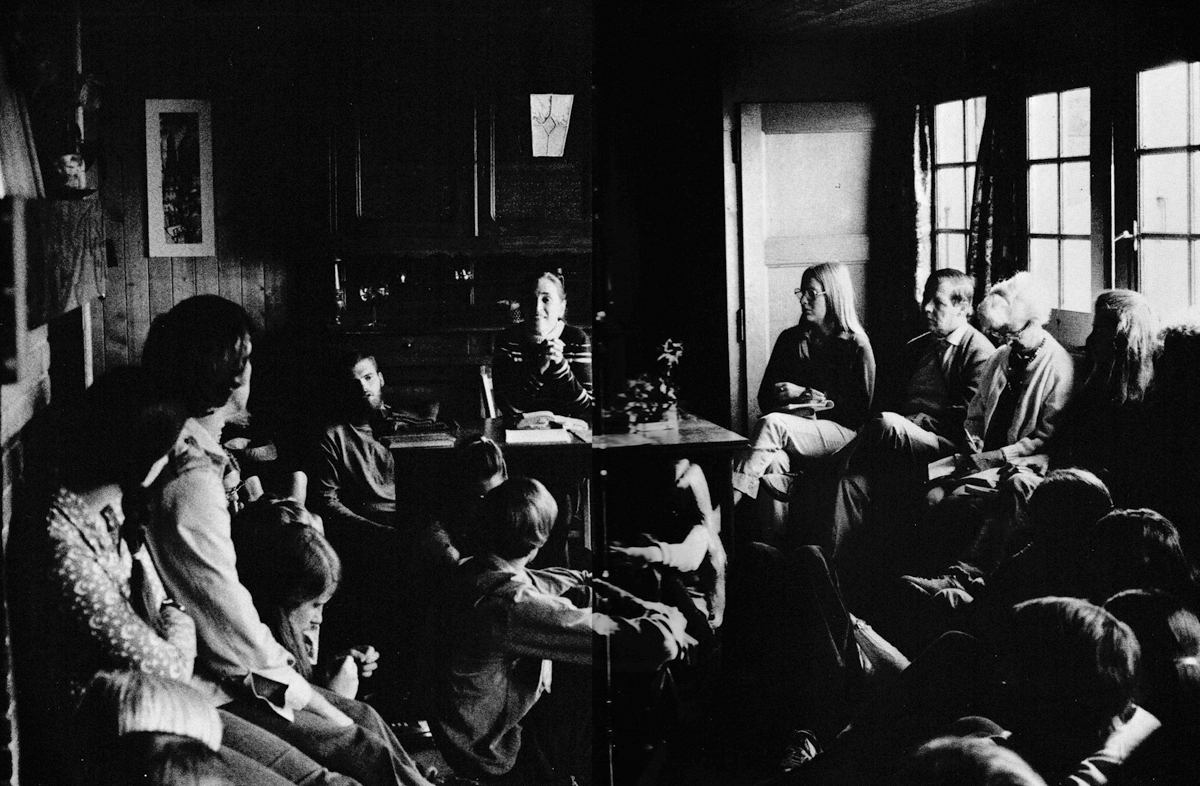
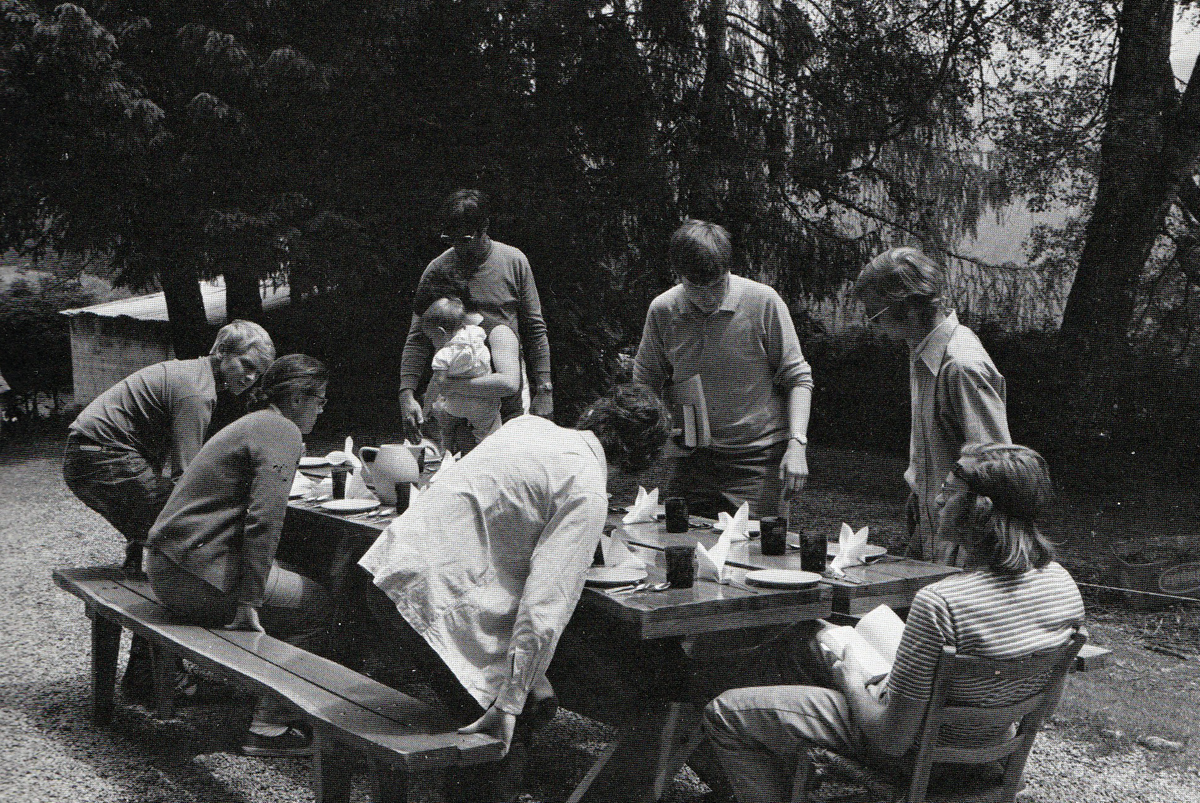
Aware that the people who came were not just hungry intellectually, Edith was passionate about creating beautiful meals and a welcoming space. She knew that hospitality is not just about feeding hungry bellies but about nourishing people’s souls, and showing each person that they are made in the image of God and worthy of care and love.
L’Abri today
L’Abri quickly became known as a place where people could find satisfying answers and experience a practical demonstration of Christ’s love.
In the years that followed, hundreds of travelers found their way to the Schaeffers’ open door, seeking honest engagement with their questions about God, the Bible, and life. For an in-depth overview of how L’Abri started, the early years, and developments since then, you can read Edith Schaeffer’s book L’Abri.
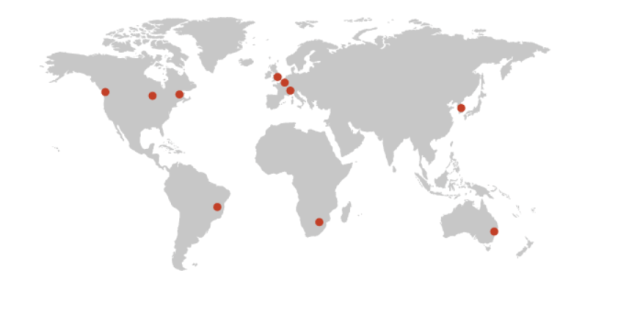
The ministry has grown to include ten branches across six continents, providing a haven for people to ask difficult questions about God, life, and themselves.
Swiss L’Abri
From one chalet in 1955, Swiss L’Abri now includes Chalet Bellevue (student housing in a converted hotel), four staff chalets, and Farel House (our library and chapel).
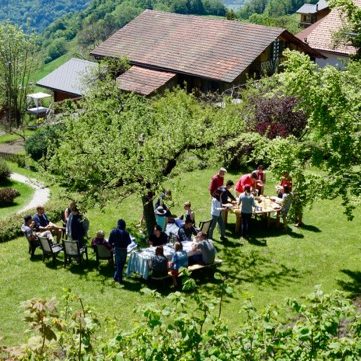
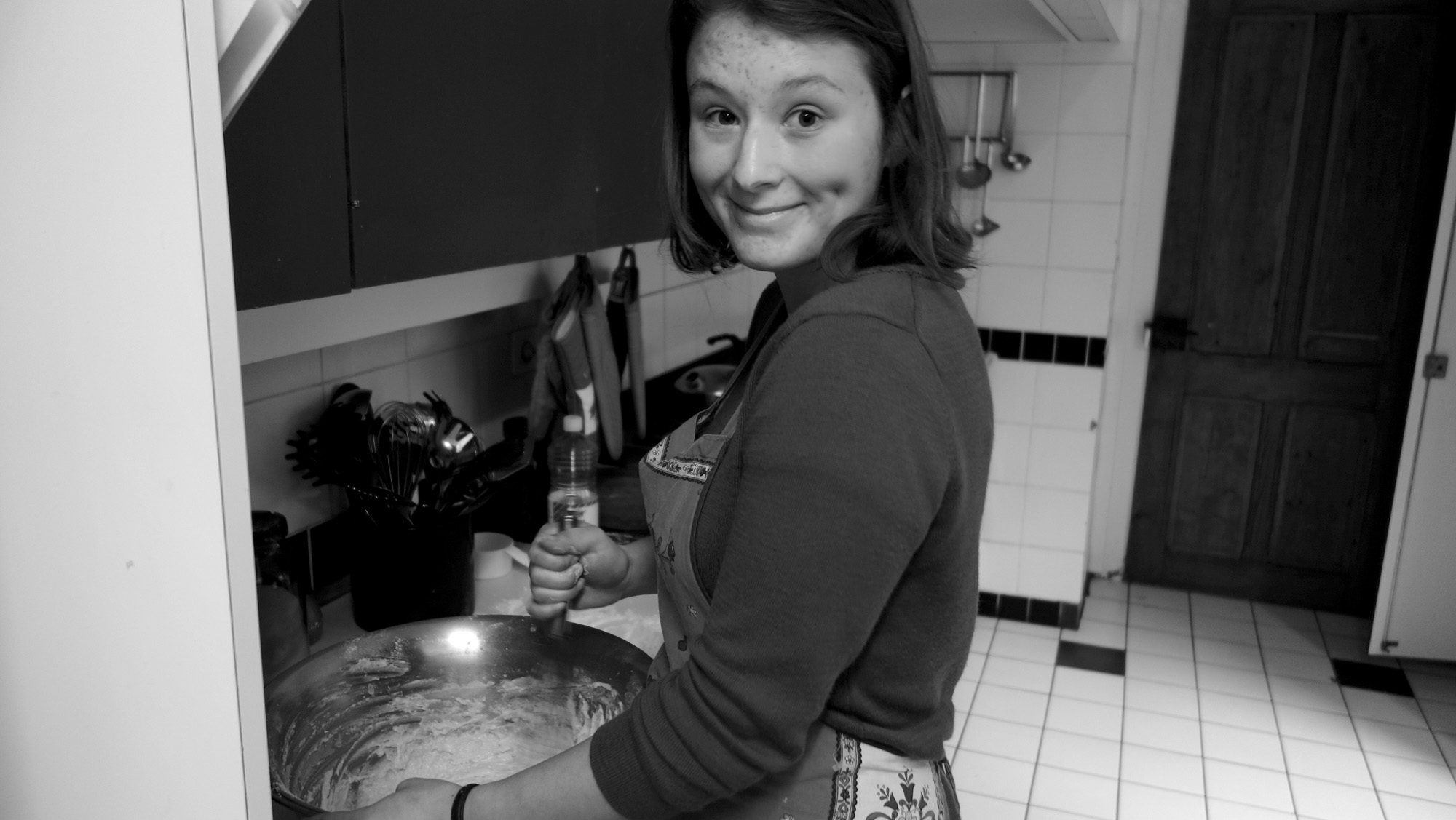
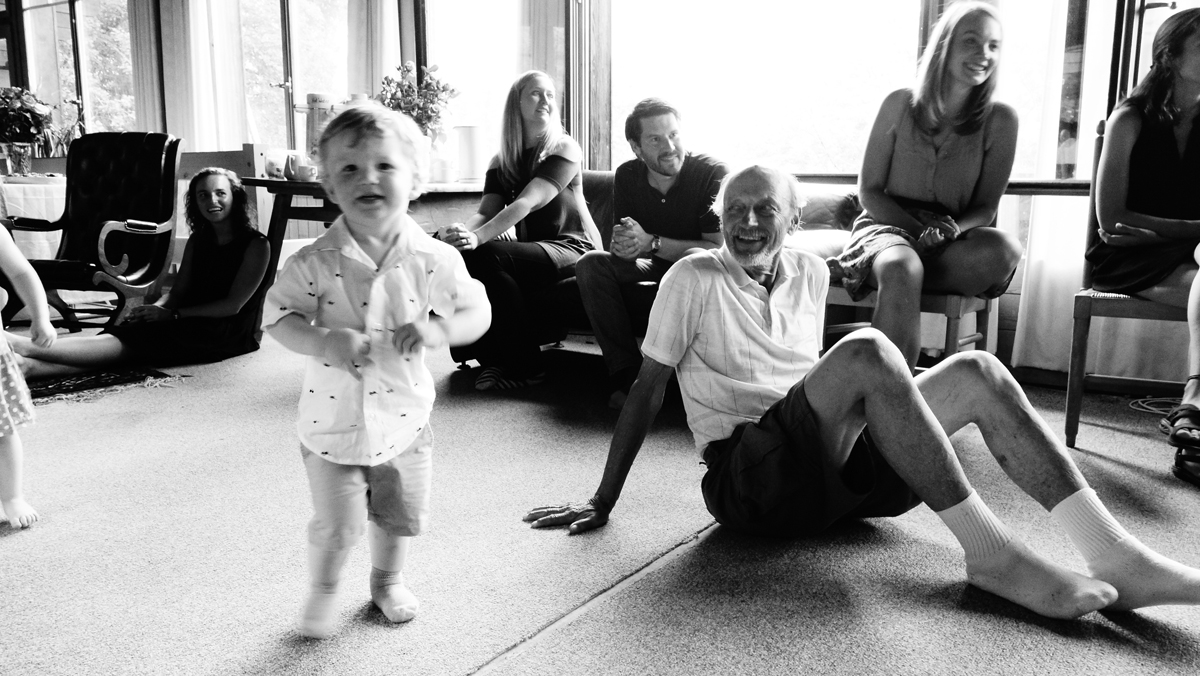
Though some of the structure has changed since our early days, the heart of Swiss L’Abri remains rooted in hospitality and the belief that faith should be integrated into all areas of life. We do not offer a secluded retreat; instead, we welcome students into the reality of community living. Here, spiritual and intellectual pursuits blend with the joys and challenges of daily practical tasks and the simple beauty of ‘doing life’ together.
Our team
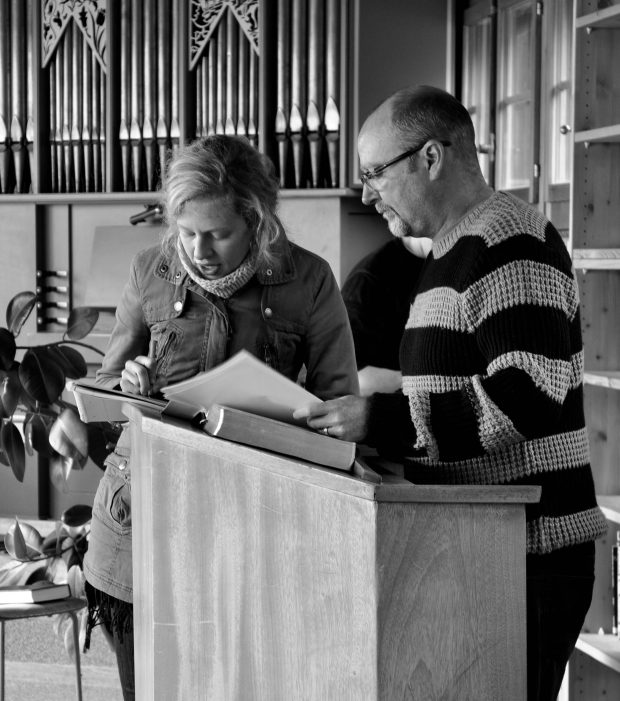
All of our staff are Christians who live and speak from that conviction.
As people whose lives have been changed by Jesus Christ, we aim to show all students his love, both through the warmth of our welcome to everyone and through our commitment to sharing what we believe to be the truth of the Gospel in our words and actions.
What we believe
We believe that Christianity as found in the Bible is true. Because Christianity is true, not only can it be discussed intellectually, it can also be passionately imagined and practically lived out as the Truth.

We believe that the life-affirming truth of Christianity speaks to all of human life and thought. This means our lives are not divided between “sacred” and “secular” activities, and that Christian faith integrates all of human life, including our minds, our hearts, our work, our play, and our relationships.

We believe that a commitment to the God of the Bible is rational and that faith is never divorced from reason. This also means that art, history, philosophy, economics, psychology, education, politics, science, contemporary society, and all other realms of thought can be examined from a biblical viewpoint.
L’Abri ideas library
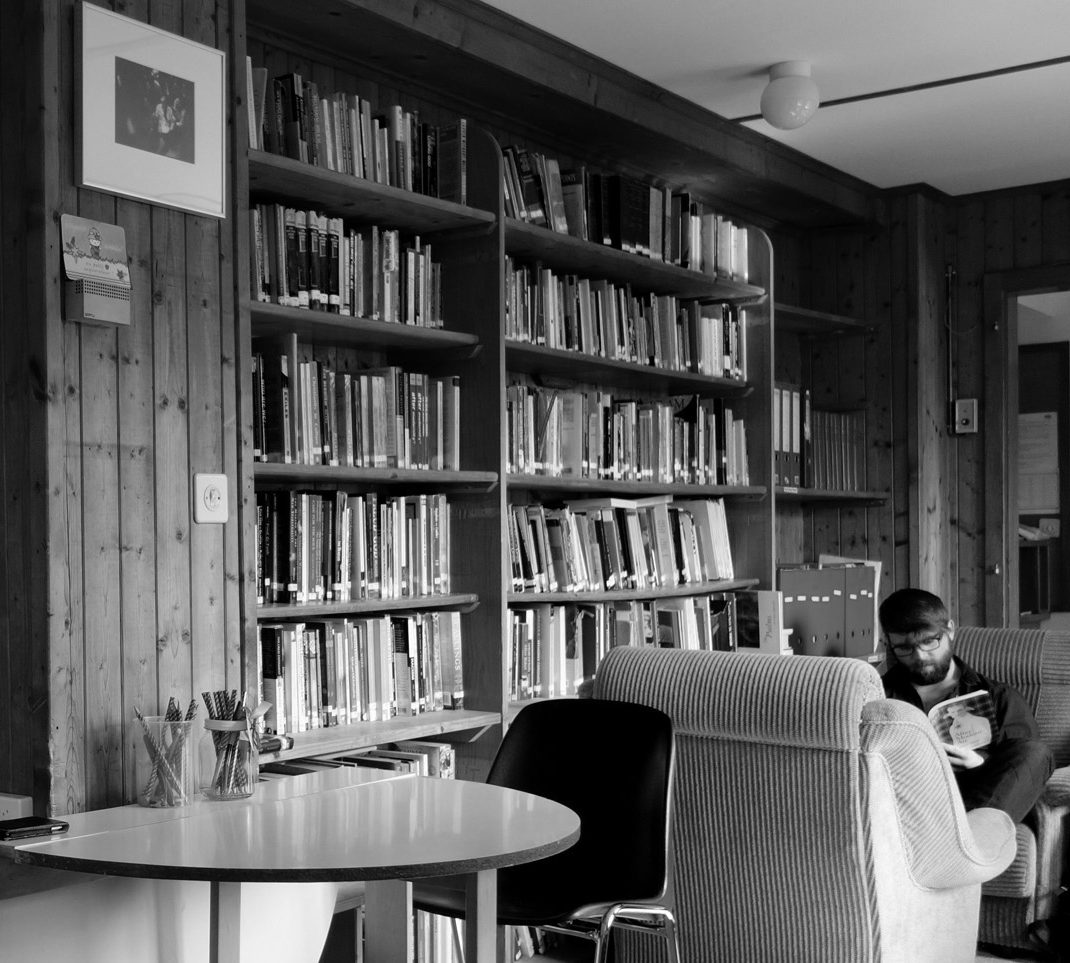
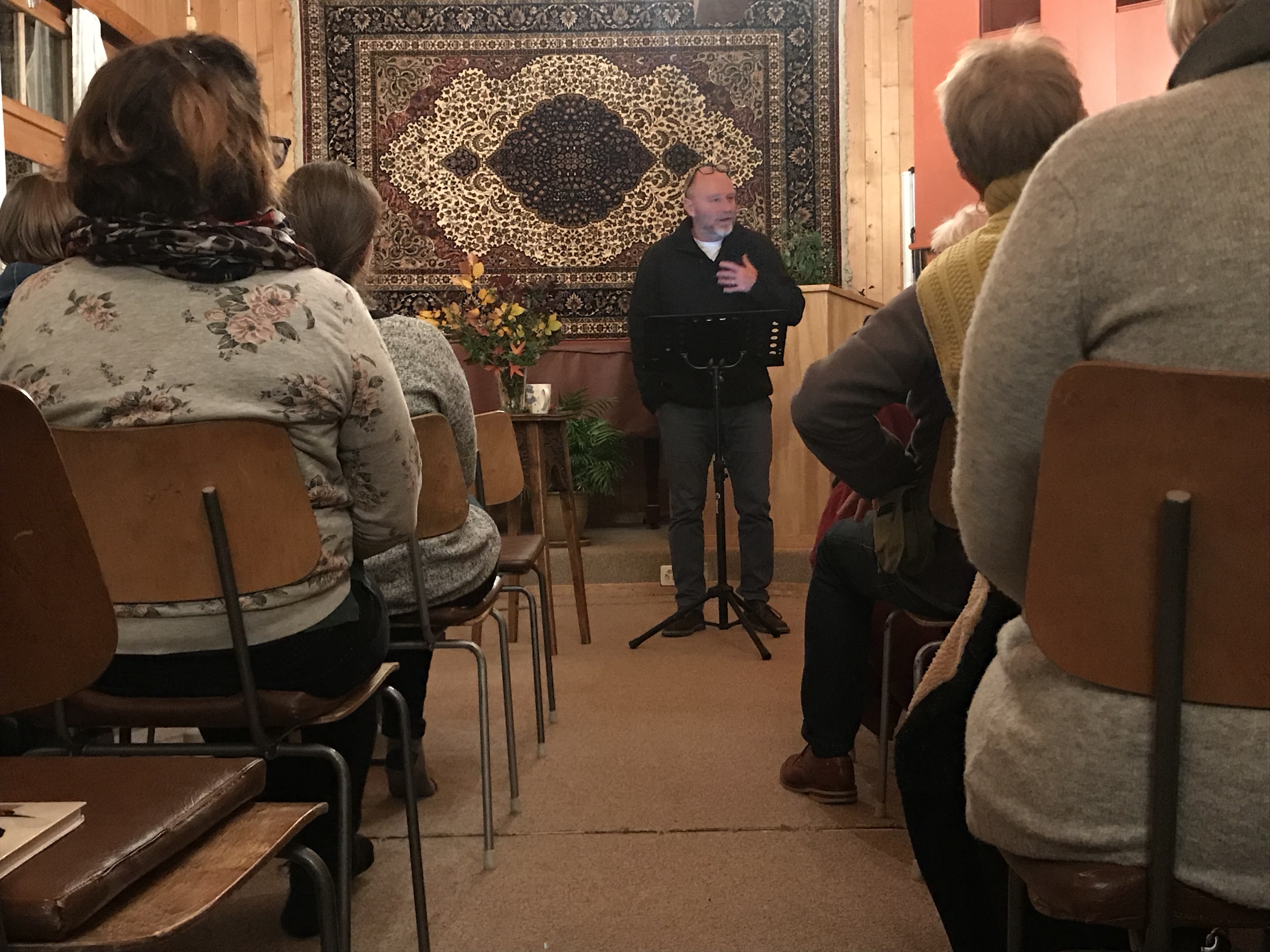
Countless L’Abri workers over the years have written books and developed lectures and discussions that explore how Christianity relates to areas of life such as philosophy, culture, the arts, psychology, gender, sociology, history, theology, politics, economics, science, and ecology.
On the L’Abri Ideas Library, you will find over 2,500 lectures presenting Christian ideas that engage with contemporary issues, the history of thought, religious topics, Christian doctrine, personal questions, and more.
 Swiss L'Abri